Create Your Budget-Friendly Home Gym Today
- smileykacey24
- Nov 13, 2025
- 4 min read
Creating a home gym can seem like a daunting task, especially when you consider the costs associated with gym memberships and high-end equipment. However, with a little creativity and planning, you can set up a budget-friendly home gym that meets your fitness needs without breaking the bank. This guide will walk you through the essential steps to create your own space for exercise, offering practical tips and examples along the way.

Why a Home Gym?
Having a home gym offers numerous advantages:
Convenience: No more commuting to the gym. You can work out whenever it fits your schedule.
Cost-Effective: Save on monthly gym fees and travel costs.
Privacy: Enjoy your workouts without feeling self-conscious.
Customization: Tailor your gym to your specific fitness goals and preferences.
Setting a Budget
Before diving into equipment purchases, it’s crucial to establish a budget. Consider the following steps:
Determine Your Maximum Spend: Decide how much you can afford to invest in your home gym.
Prioritize Equipment: Identify which equipment is essential for your workout routine. Focus on versatile items that can be used for multiple exercises.
Plan for Space: Consider the area you have available for your gym. This will help you make informed decisions about what equipment to buy.
Essential Equipment for a Home Gym
When building a budget-friendly home gym, focus on versatile equipment that can be used for a variety of workouts. Here are some essential items to consider:
Dumbbells
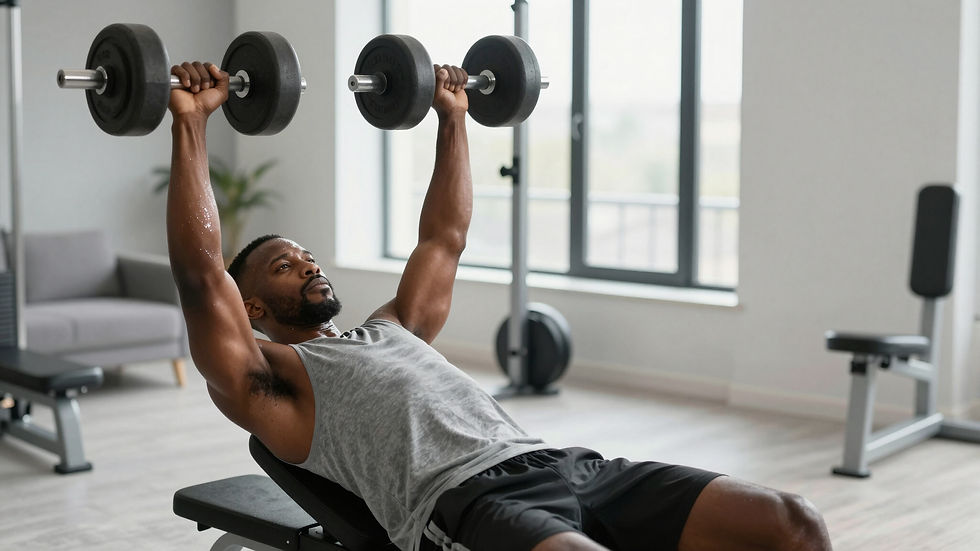
Dumbbells are a staple in any home gym. They are versatile and can be used for strength training, cardio, and flexibility exercises. Look for adjustable dumbbells to save space and money.
Resistance Bands
Resistance bands are affordable and can provide a full-body workout. They are great for strength training, stretching, and rehabilitation exercises. Plus, they are lightweight and easy to store.
Yoga Mat
A good quality yoga mat is essential for floor exercises, stretching, and yoga routines. It provides cushioning and support, making your workouts more comfortable.
Stability Ball
A stability ball can enhance your core workouts and improve balance. It can also be used as a bench for various exercises, making it a versatile addition to your gym.
Jump Rope
A jump rope is an inexpensive tool for cardio workouts. It’s effective for burning calories and improving coordination. Plus, it takes up very little space.
Creating a Workout Space
Once you have your equipment, it’s time to set up your workout space. Here are some tips to create an inviting and functional environment:
Choose the Right Location
Select a space in your home that is free from distractions. This could be a spare room, basement, or even a corner of your living room. Ensure the area has enough room for movement and storage.
Organize Your Equipment
Keep your equipment organized to maximize space and efficiency. Use shelves, storage bins, or a dedicated corner to store your items neatly. This will make it easier to access your gear and keep your space tidy.
Add Personal Touches
Make your gym space motivating by adding personal touches. Hang motivational quotes, play your favorite music, or incorporate plants for a refreshing atmosphere. A positive environment can enhance your workout experience.
Sample Workout Routines
To get you started, here are a few sample workout routines that you can do with minimal equipment:
Full-Body Workout
Warm-Up: 5-10 minutes of jumping jacks or jogging in place.
Dumbbell Squats: 3 sets of 10-15 reps.
Push-Ups: 3 sets of 8-12 reps.
Resistance Band Rows: 3 sets of 10-15 reps.
Plank: Hold for 30-60 seconds.
Cool Down: Stretch for 5-10 minutes.
Cardio and Core
Warm-Up: 5-10 minutes of dynamic stretching.
Jump Rope: 3 sets of 1 minute.
Stability Ball Crunches: 3 sets of 15-20 reps.
Mountain Climbers: 3 sets of 30 seconds.
Russian Twists with Dumbbell: 3 sets of 10-15 reps per side.
Cool Down: Stretch for 5-10 minutes.
Flexibility and Recovery
Warm-Up: 5-10 minutes of light cardio.
Yoga Flow: 20-30 minutes of yoga poses focusing on flexibility.
Foam Rolling: Spend time on tight areas for muscle recovery.
Deep Breathing Exercises: 5-10 minutes to relax and recover.
Staying Motivated
Creating a home gym is just the first step; staying motivated is key to achieving your fitness goals. Here are some strategies to keep you on track:
Set Clear Goals
Define your fitness goals, whether it’s losing weight, building muscle, or improving flexibility. Having clear objectives will help you stay focused and motivated.
Create a Schedule
Establish a workout schedule that fits your lifestyle. Treat your workout time as an important appointment that you cannot miss.
Track Your Progress
Keep a journal or use fitness apps to track your workouts and progress. Seeing how far you’ve come can be a great motivator.
Join Online Communities
Engage with online fitness communities for support and inspiration. Sharing your journey with others can provide accountability and encouragement.
Conclusion
Building a budget-friendly home gym is an achievable goal that can lead to a healthier lifestyle. By prioritizing essential equipment, creating a motivating space, and staying committed to your fitness journey, you can enjoy the benefits of working out at home. Remember, the most important part is to start small and gradually build your gym as you progress. So, gather your equipment, set your goals, and get ready to transform your fitness routine right from the comfort of your home.


Comments